

A Step-by-Step Guide to Buying a Home in Orlando
From First-Time Buyers to Real Estate Investors
Buying a home in Orlando is about more than finding a property you like. It is about understanding the market, choosing the right community, evaluating the true cost of ownership, and making decisions aligned with your goals.
Whether you are buying your first home, relocating to Florida, purchasing a second home, or investing in an income-producing property, I provide local guidance throughout the Orlando and Central Florida real estate market.
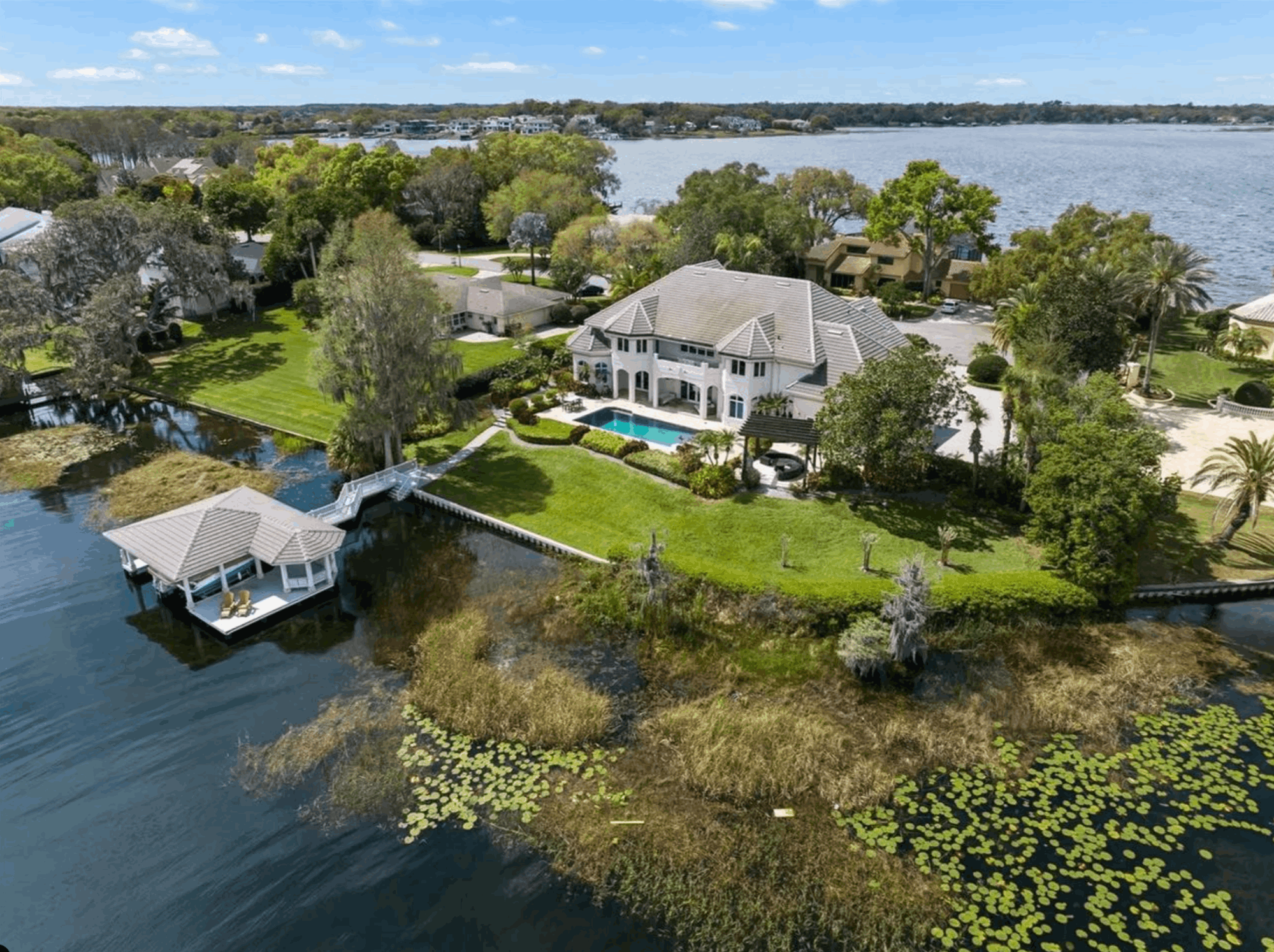
Buying in Orlando Starts With Understanding the Market
This guide is designed for every type of buyer — whether you are purchasing your first home, relocating your family, seeking a second home in the sunshine, or analyzing an income-producing investment.
First-Time Buyers
Understand the full process, the real costs, and how to make a confident first purchase in Central Florida.
Relocation
Choose the right Orlando community and neighborhood to match your lifestyle, commute, and long-term goals.
Second & Vacation Homes
Evaluate the right Florida community, lifestyle fit, rental potential, and true ownership costs.
Real Estate Investors
Analyze rental demand, operating costs, community rules, and long-term resale potential before you buy.
Why Buy a Home in Orlando?
Orlando continues to attract homebuyers, relocating families, second-home buyers, and investors because of its combination of economic growth, population growth, tourism, lifestyle, and Florida's lack of a state individual income tax.
Central Florida also offers a wide range of communities and property types — from established neighborhoods and luxury waterfront homes to new construction, second homes, and vacation properties.
But Orlando is not one single real estate market.
Where you buy can be just as important as what you buy.
Economic Growth
A diversified economy with strong employment growth across multiple sectors and industries.
Population Growth
One of the fastest-growing metropolitan areas in the United States, with sustained demand for housing.
World-Class Tourism
Global tourism infrastructure that supports a thriving vacation-home and short-term rental market.
Florida Lifestyle
Year-round warmth, outdoor living, diverse communities, and a broad spectrum of property types.
No State Individual Income Tax
Florida's tax structure provides a meaningful financial advantage for residents and investors alike.
Why Buy Real Estate in Orlando in 2026?
The Orlando market has changed significantly from the highly competitive conditions of 2021–2022. Today's buyers generally have more opportunity to compare properties, conduct due diligence, evaluate ownership costs, and negotiate price and terms. Market conditions also vary considerably by location, property type, and price range.
For buyers, the opportunity is not simply finding a home that is available. It is having the time and information to determine whether the property is actually worth buying. That makes local market knowledge especially important in 2026.
The opportunity is not simply finding a home. It is determining whether the property is actually worth buying.
How to Buy a Home in Orlando: 10 Steps
If you are financing your purchase, get pre-approved before seriously shopping for a home. A lender can help you understand your purchasing power, estimated monthly payment, down payment requirements, and available loan options.
A strong pre-approval can also strengthen your position when making an offer. If you are purchasing with cash, have current proof of funds available.
Know your numbers before you fall in love with a property.Windermere is different from Lake Nona. Dr. Phillips is different from Winter Park. Celebration has a completely different community environment.
Even homes at the same price point can differ significantly in location, lot size, amenities, property taxes, HOA or CDD obligations, schools, rental restrictions, and resale potential.
Before focusing on individual listings, determine what matters most to you:
- Lifestyle and commute
- Schools
- Privacy and lot size
- Waterfront or golf
- New construction
- Proximity to Orlando attractions
- Investment or rental potential
- Long-term resale value
Depending on the property and transaction, your costs may include property taxes, homeowners' insurance, HOA or CDD fees, closing costs, maintenance, utilities, and other property-specific expenses.
Florida's Homestead Exemption may provide a significant property-tax benefit for eligible primary residences. Florida also has the Save Our Homes assessment limitation and, for eligible homeowners moving between Florida homesteads, potential portability benefits.
One important consideration for buyers is that the seller's current property-tax bill may not reflect your future tax liability. A change in ownership can result in reassessment, so projected taxes should be evaluated before purchasing.
The asking price is only part of the cost.When evaluating a property, look beyond the photographs and consider: Condition, Layout, Lot, Location, Taxes, HOA/CDD, Insurance, Amenities, Restrictions, and Resale Potential.
For vacation and investment properties, the analysis goes further. Rental demand, operating expenses, community rules, management, property condition, and potential income should all be considered before making a purchase.
During showings, consider the home's condition, layout, natural light, storage, outdoor space, appliances, windows, doors, and overall functionality.
Then look beyond the property. Consider traffic, nearby roads, shopping, restaurants, parks, schools, attractions, surrounding development, and the overall character of the community.
For an investment or vacation home, also evaluate the property's location within the broader rental market and any applicable community restrictions.
Your offer should take into account comparable sales, current market conditions, property condition, days on market, seller circumstances, and much more.
Depending on the transaction, important terms may include:
- Purchase price
- Financing
- Closing date
- Inspection provisions
- Contingencies
- Seller contributions
- Other contractual terms
A professional inspection can identify potential issues involving the roof, HVAC, plumbing, electrical systems, structure, moisture, pests, and other components.
The inspection process can also provide valuable information for further negotiations when permitted by the contract.
This phase may also include reviewing property disclosures, evaluating insurance options, and reviewing HOA or community documents.
The lender may order an appraisal to obtain an independent opinion of the property's market value.
If the appraisal comes in below the contract price, the available options depend on the financing, contract terms, and willingness of the parties to renegotiate.
Your lender and real estate professionals can help you understand the options available in your specific transaction.
The walk-through provides an opportunity to confirm that the home's condition has not materially changed since the contract was signed and that agreed-upon repairs have been addressed when applicable.
It is also a chance to verify that the property is being delivered in the condition required by the contract before the closing takes place.
You will review the final documents and closing figures, provide any required funds, sign the necessary paperwork, and complete the transaction according to the contract.
After the required documents are signed and the transaction is completed, ownership is transferred according to the terms of the closing.
Welcome home.Orlando Is Not One Real Estate Market
Where you buy can be just as important as what you buy.
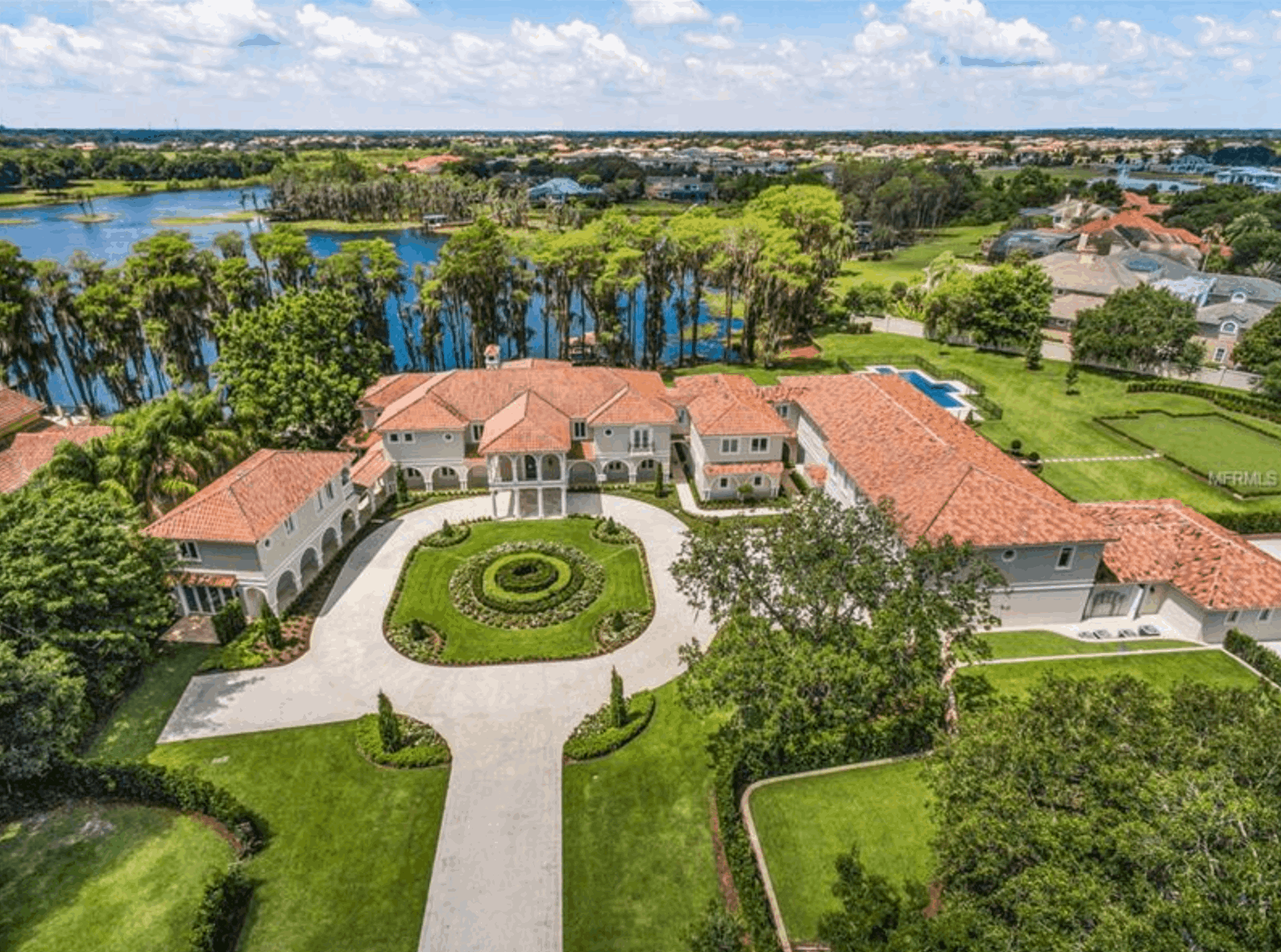
Windermere
Luxury lakefront estates and upscale communities with a quiet, established character.
Explore Community →
Dr. Phillips
Sought-after restaurants, proximity to attractions, and a range of premium properties.
Explore Community →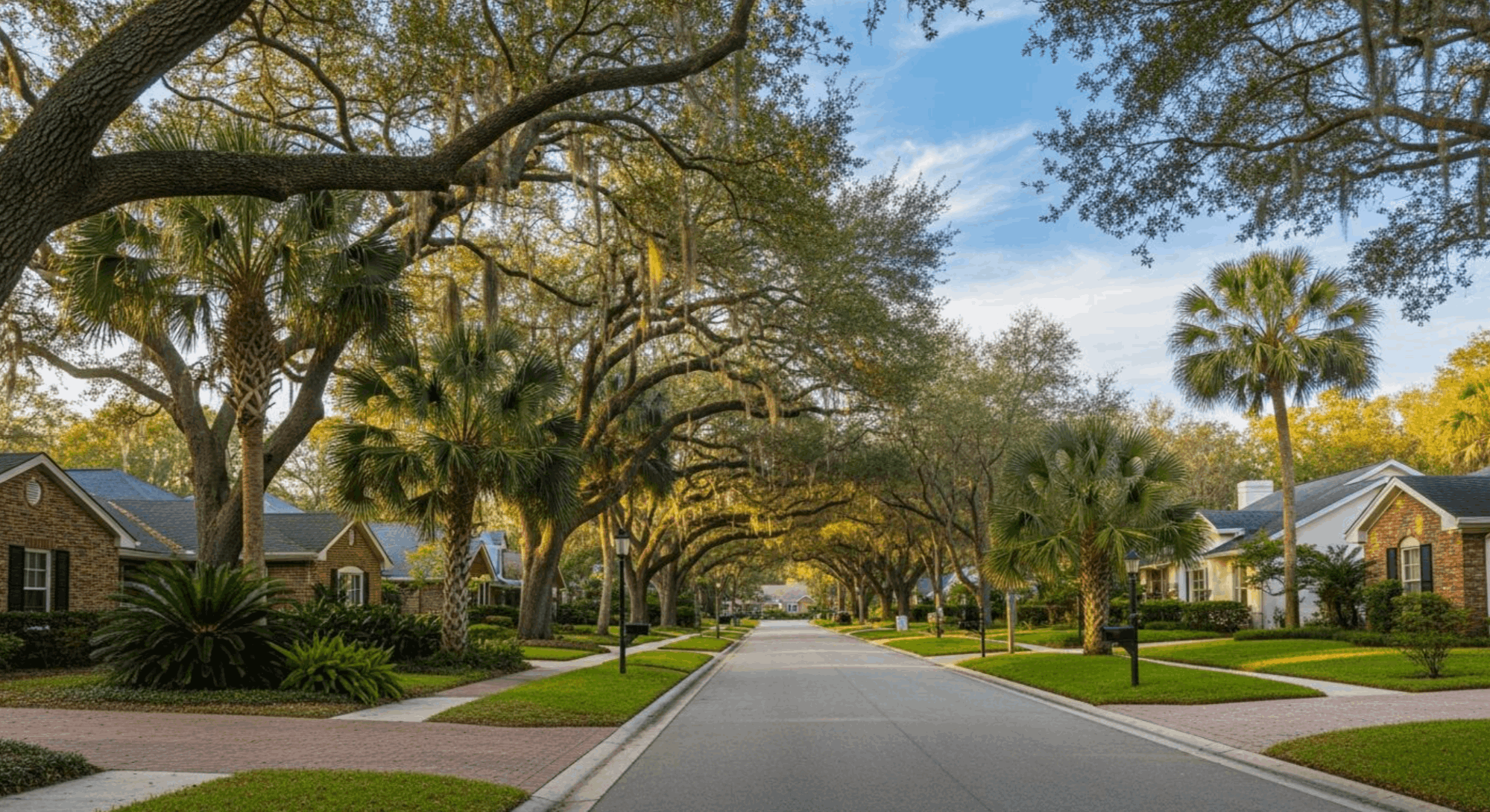
Winter Park
Historic charm, tree-lined streets, boutique shops, and a vibrant cultural scene.
Explore Community →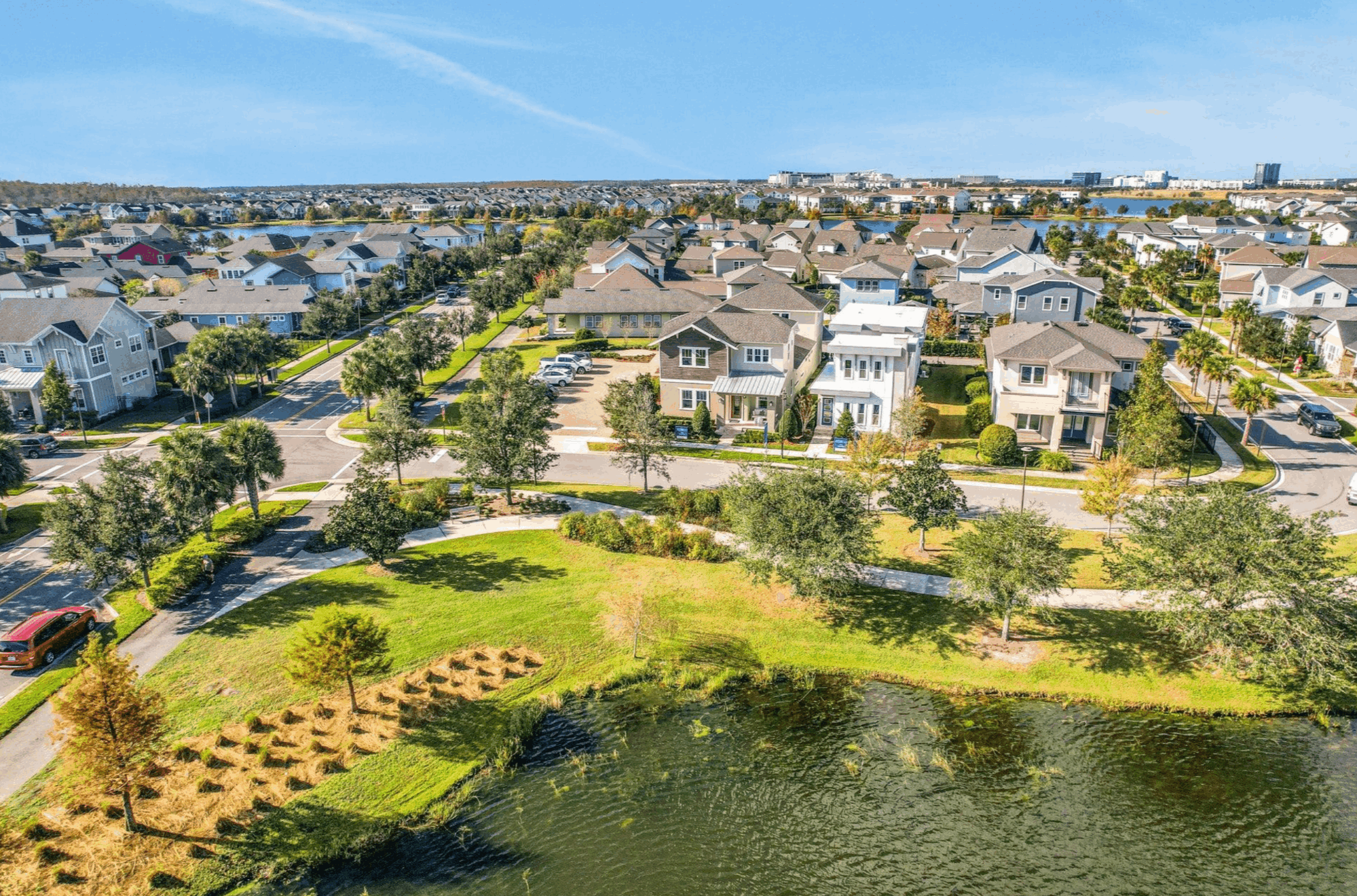
Lake Nona
A master-planned innovation district with modern infrastructure and rapid growth.
Explore Community →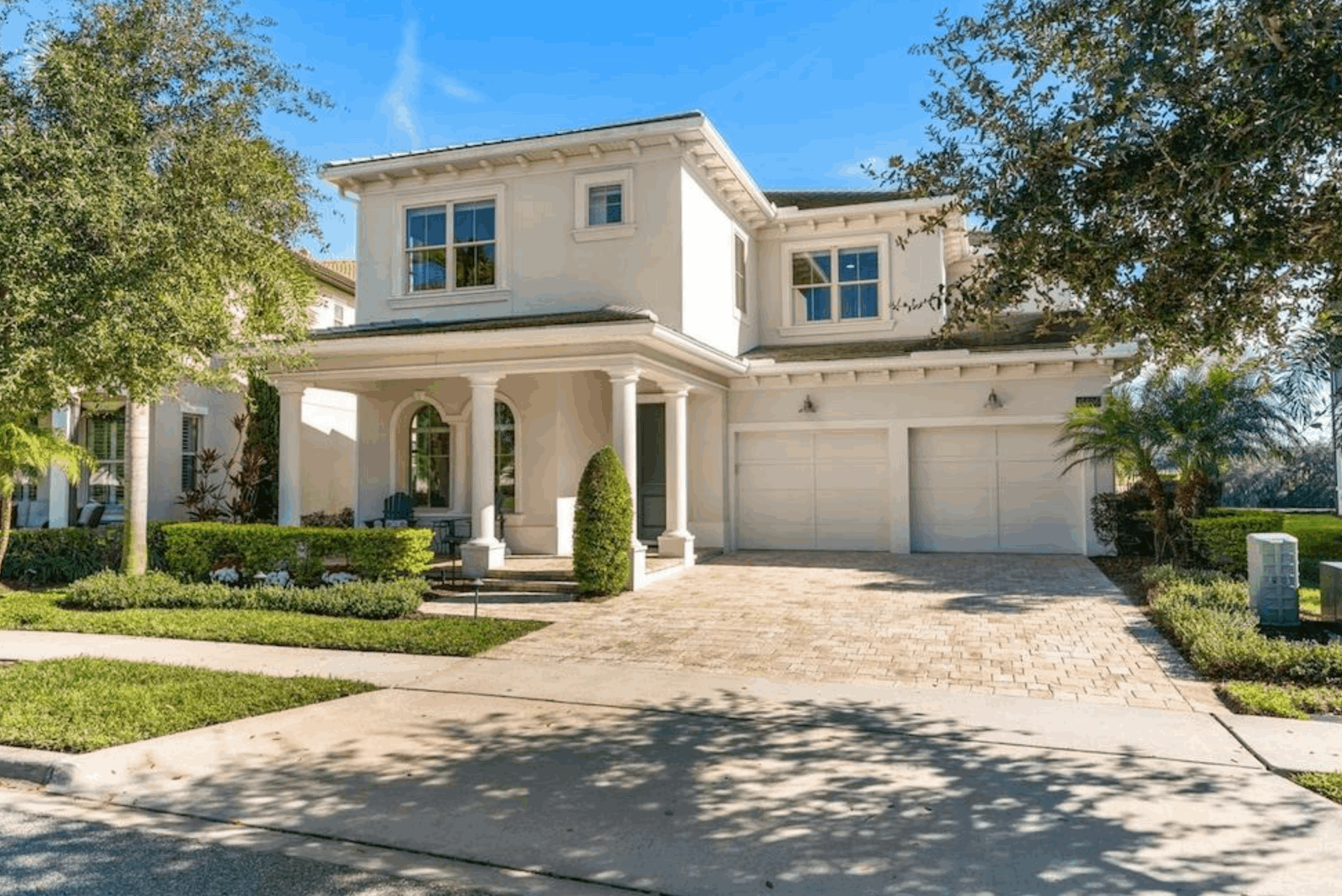
Winter Garden
Downtown charm with a revitalized Main Street, trail access, and family-friendly appeal.
Explore Community →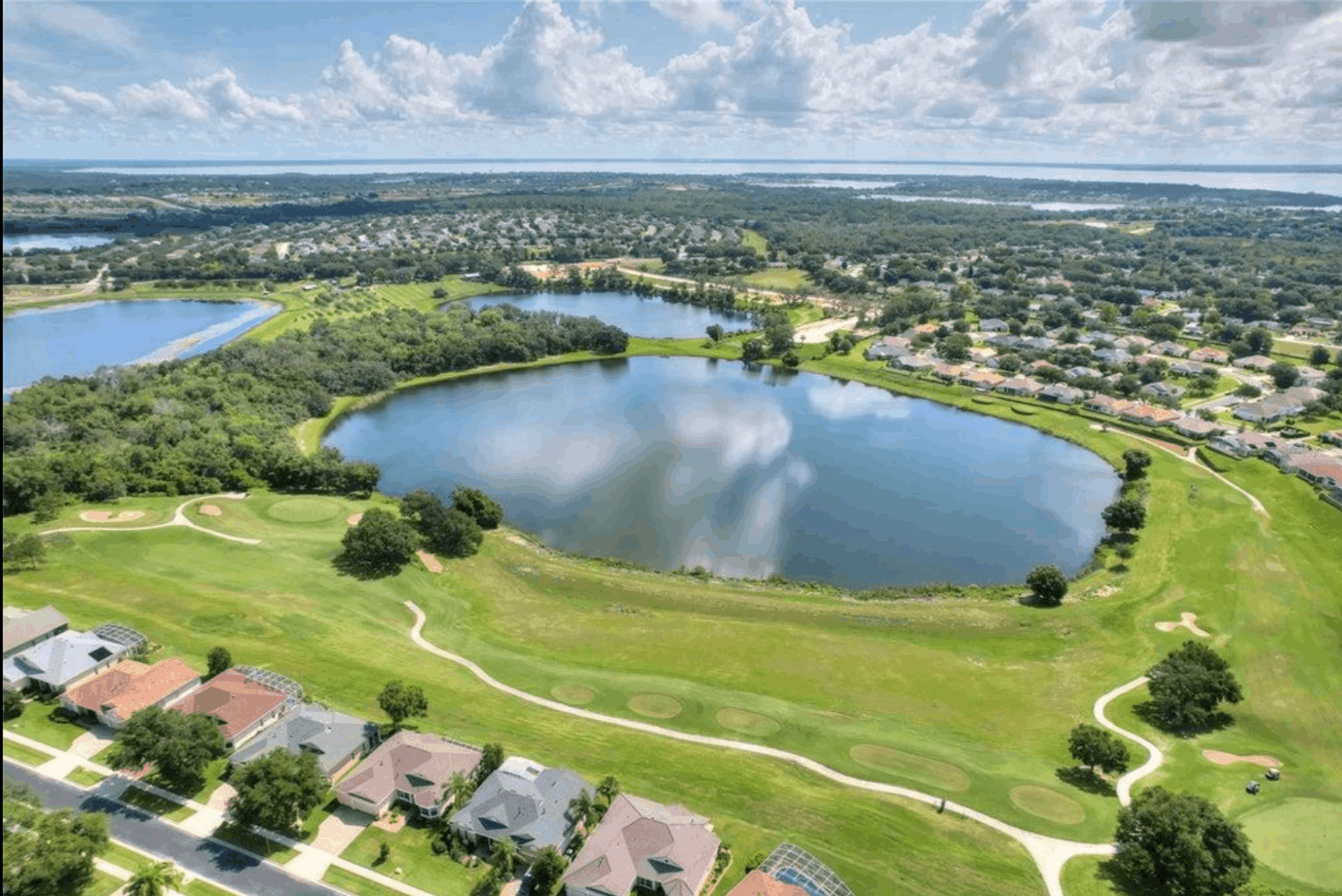
Clermont
Rolling hills, lakes, and growing communities with a more relaxed pace of living.
Explore Community →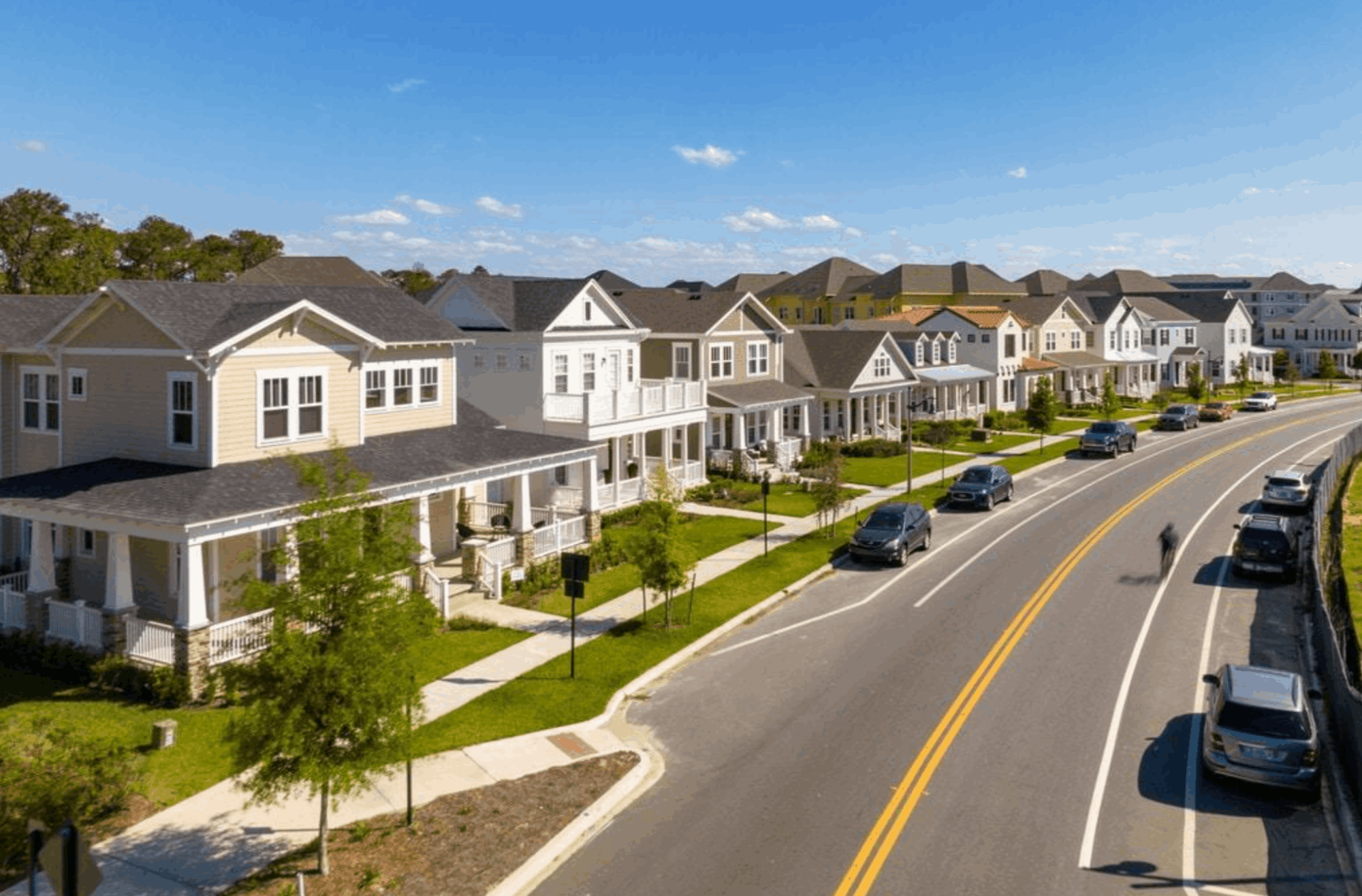
Celebration
A planned community with a distinct character, walkability, and Disney adjacency.
Explore Community →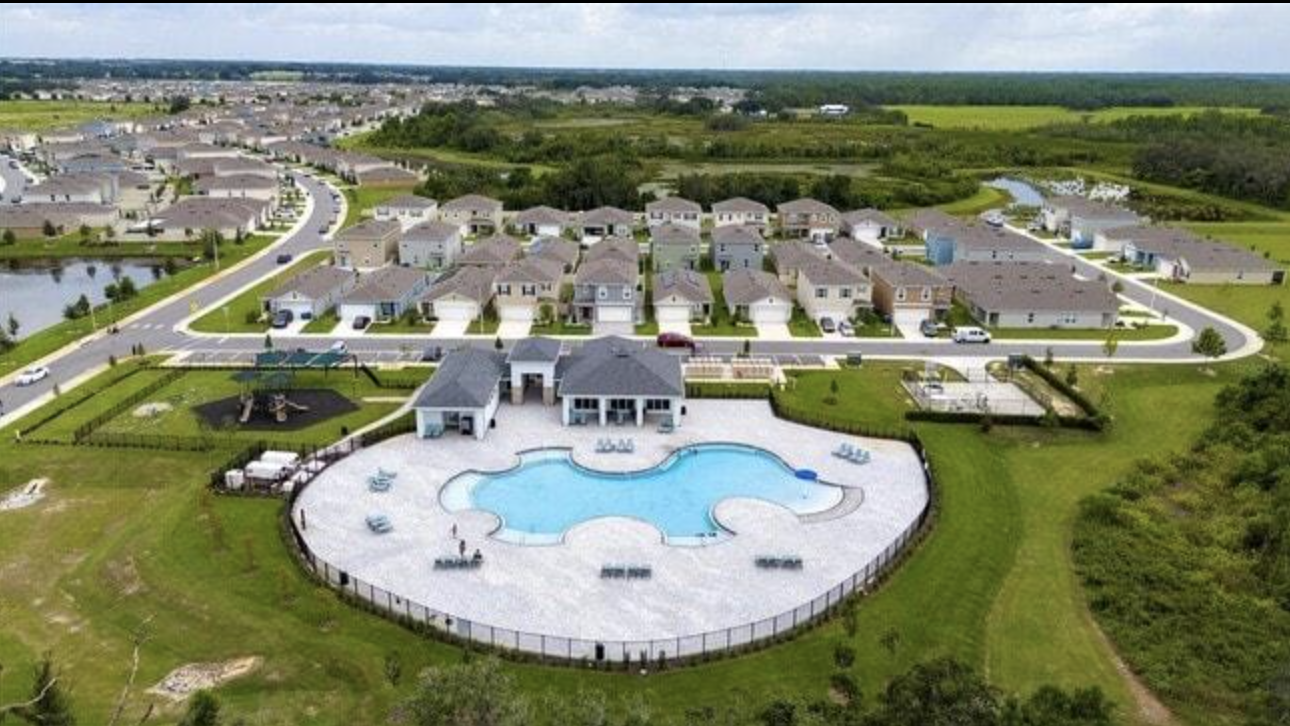
Davenport
A top vacation-home corridor with strong short-term rental demand and newer communities.
Explore Community →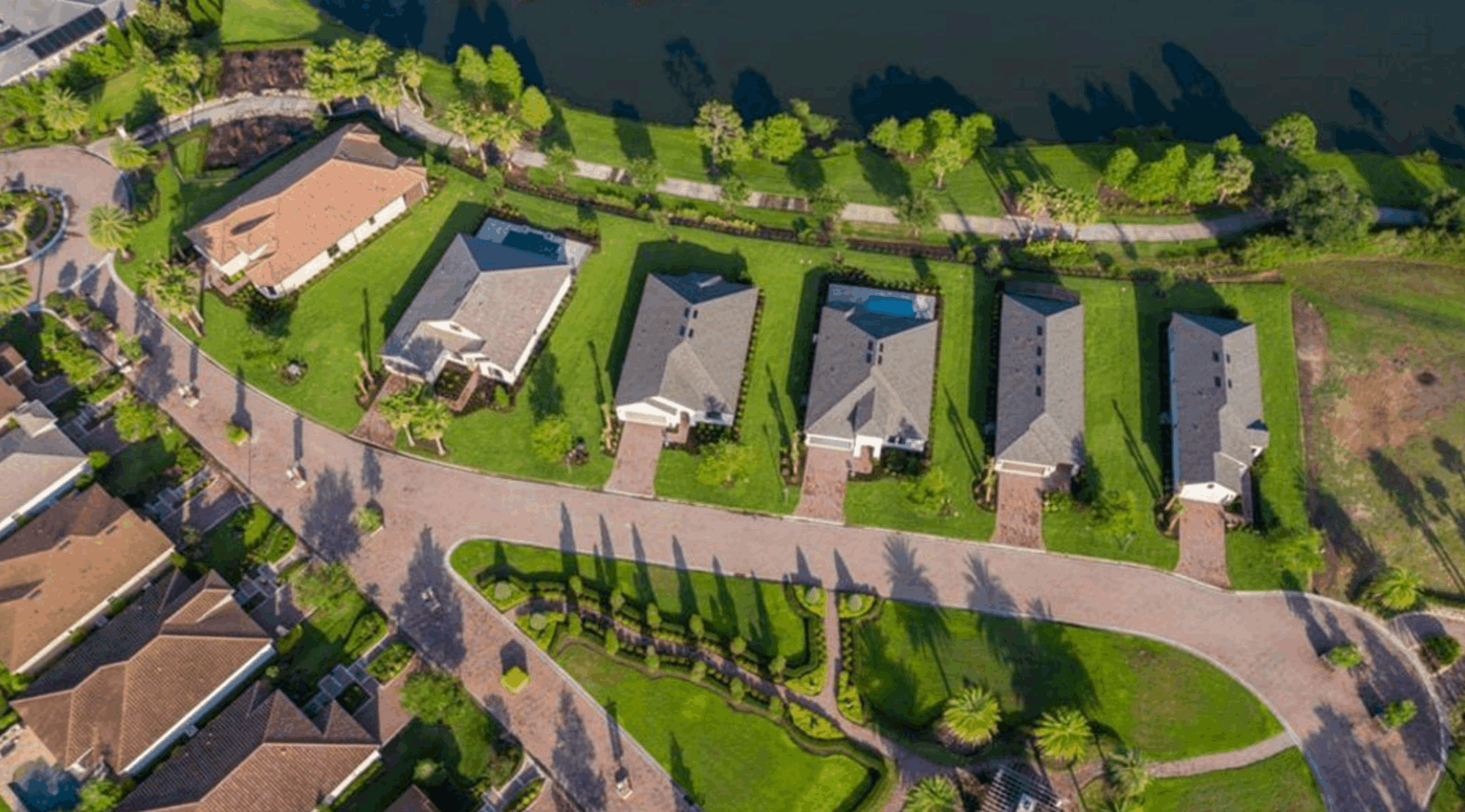
Kissimmee
Diverse property types, proximity to major attractions, and active vacation rental markets.
Explore Community →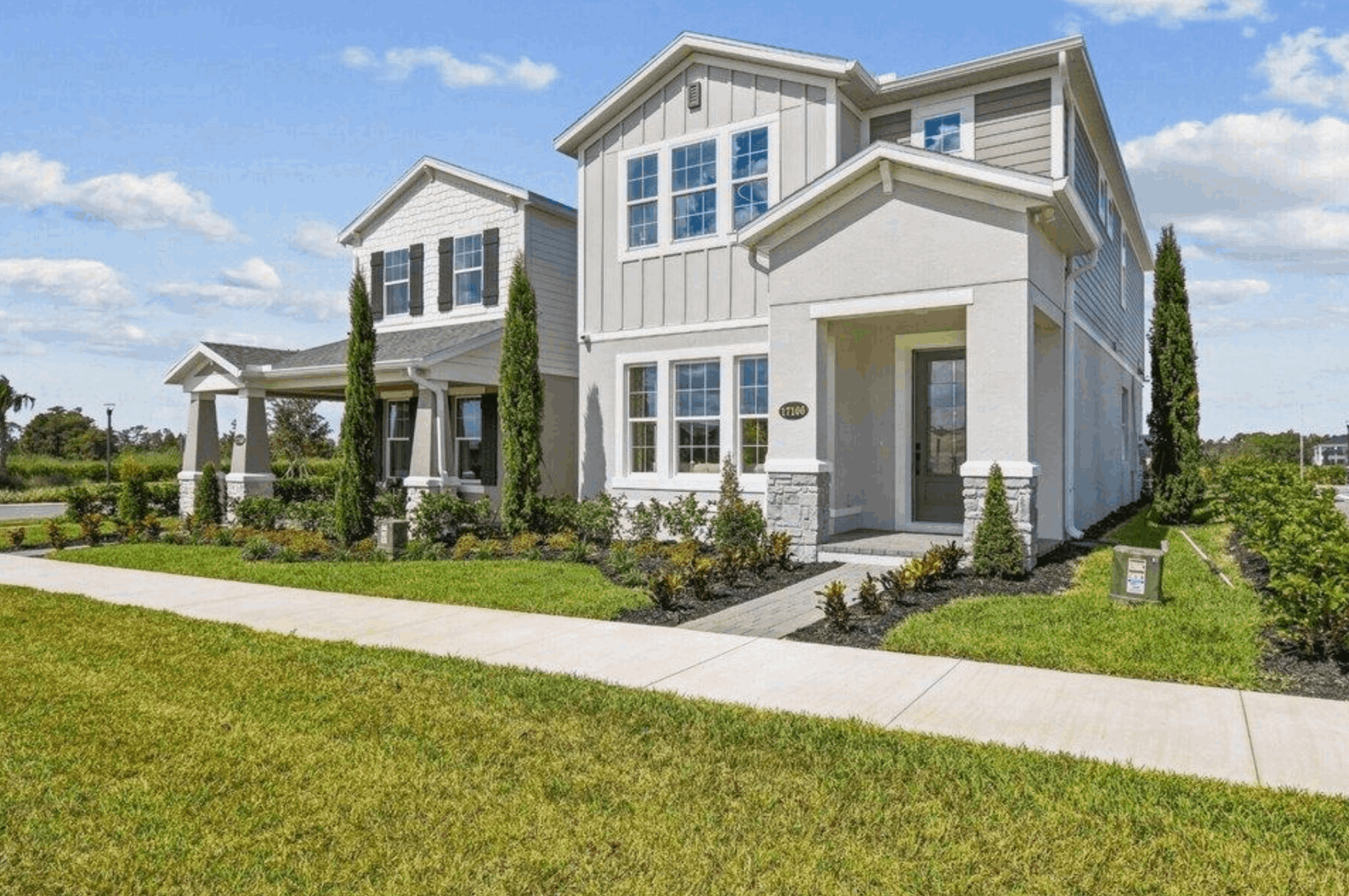
Horizon West
One of Central Florida's fastest-growing areas with new construction and top-rated schools.
Explore Community →The Purchase Price Is Only Part of the Cost
Property Taxes
Assessed annually and may change significantly after purchase due to reassessment.
Homeowners Insurance
Florida's insurance market can vary by location, property age, construction type, and other factors.
HOA Fees
Monthly or annual homeowners association fees covering community amenities and services.
CDD
Community Development District assessments, often included in property tax bills in newer communities.
Closing Costs
Title insurance, lender fees, prepaid taxes, and other transaction costs typically paid at closing.
Maintenance
Ongoing upkeep and repairs including roof, HVAC, landscaping, and systems maintenance.
Utilities
Electricity, water, internet, and other services which vary by property size and location.
Other Expenses
Property management, furnishings, flood insurance, or other property-specific costs.
Important Florida Tax Consideration
The seller's current property-tax bill may not reflect your future tax liability. A change in ownership can result in reassessment. Florida's Homestead Exemption and Save Our Homes assessment cap may benefit eligible primary residents, but these benefits must be applied for after purchase. Projected taxes should always be evaluated before purchasing.

Buying an Investment or Vacation Home in Orlando?
The analysis goes beyond the purchase price.
Buying a vacation or investment property requires a different level of analysis than buying a primary residence. The right property is not necessarily the one with the lowest price or the highest projected income.
With nearly 20 years in the Central Florida vacation-home market, I help buyers look beyond projected revenue and evaluate the broader opportunity before purchasing.
Invest. Buy. Furnish. Manage. Grow.
Investment Analysis Framework
Evaluate the opportunity from every angle.

More Than Access to Listings.
Buying in Orlando requires more than access to listings. You need someone who understands the neighborhoods, the market, the ownership costs, and the differences between properties that may look similar on paper.
With nearly 20 years of Central Florida real estate and vacation-home experience, I help buyers evaluate opportunities from more than one perspective — whether the goal is a primary residence, relocation, second home, vacation property, or investment.
Nearly 20 Years of Central Florida Real Estate & Vacation-Home Experience
Start Your Home Search →Don't Just Find a Home.
Find the Right Opportunity.
Ready to Make a Move? Connect With Margaret.
Frequently Asked Questions About Buying a Home in Orlando
What are the steps to buying a home in Orlando?
The process generally includes determining your budget, obtaining financing if needed, selecting the right community, searching for properties, making an offer, entering into a contract, completing due diligence and inspections, finalizing financing and insurance, completing the final walk-through, and closing.
How much money do I need to buy a home in Orlando?
The amount depends on the purchase price, financing program, down payment, closing costs, property taxes, insurance, HOA or CDD fees, and other property-specific expenses. A qualified lender can help you determine the funds required for your specific purchase.
Should I get pre-approved before looking at homes?
Yes, if you plan to finance your purchase. Pre-approval helps establish a realistic price range and can strengthen your position when you are ready to make an offer.
Can a first-time buyer purchase a home in Florida?
Yes. First-time buyers can purchase property in Florida if they meet the requirements of their chosen financing program and qualify for the purchase.
Can international buyers purchase real estate in Florida?
Yes. International buyers can purchase real estate in Florida. Financing options may be available to qualified international buyers, although requirements can vary depending on the lender, buyer's circumstances, and property. I help international buyers and investors navigate the Orlando and Central Florida market and coordinate with qualified lending and closing professionals for transaction-specific requirements.
What should I consider when buying a vacation home in Orlando?
A vacation home should be evaluated beyond the purchase price and projected rental income. Important considerations include location, rental demand, community restrictions, HOA/CDD costs, taxes, insurance, operating expenses, property condition, management, and long-term resale potential.
How long does it take to buy a home in Orlando?
The timeline varies depending on financing, the property, the contract, inspections, title, insurance, and other transaction requirements. Once under contract, the closing timeline is determined by the terms of the purchase agreement and the parties involved.
Ready to Make a Move?
Connect With Margaret
Florida REALTOR® | Central Florida Real Estate Advisor
407-530-6000 Start Your Home Search →Margaret Marambio | Nearly 20 Years of Central Florida Experience